Interlocking Pavers vs. Poured Concrete for Commercial Properties
People searching for interlocking pavers installation are often comparing options to enhance durability and appearance, and local contractors can help determine the best choice for commercial properties.
Choosing between interlocking pavers and poured concrete for commercial properties is a common consideration for property owners seeking durable, attractive, and functional outdoor surfaces. If you're exploring options for walkways, parking lots, or outdoor gathering areas, you're in the right place. Many local property owners evaluate these materials based on practical factors such as maintenance needs, aesthetic appeal, and long-term performance. Understanding the benefits and limitations of each can help inform a decision that aligns with your property's specific requirements, and local contractors who specialize in interlocking pavers installation can provide valuable insight and expertise to support this process.
As you delve into the details of interlocking pavers vs. poured concrete, keep in mind that experienced service providers in the area are ready to assist with installation and advice tailored to your project. Whether prioritizing visual appeal, ease of repair, or overall durability, these professionals can help determine the best approach for your commercial property. Keep reading to learn more about the key differences and practical considerations, so you can make an informed choice that enhances your property's functionality and curb appeal.
- Commercial parking lots - property owners considering durable and visually appealing surfaces often seek interlocking pavers installation services from local contractors.
- Sidewalk and walkway projects - businesses needing slip-resistant, low-maintenance pathways may turn to local pros experienced in interlocking pavers versus poured concrete.
- Outdoor plaza or courtyard areas - commercial property managers looking for customizable and easy-to-repair surfaces often work with local service providers skilled in interlocking pavers.
- Driveway renovations - property owners wanting a long-lasting and attractive alternative to poured concrete frequently contact local contractors specializing in interlocking pavers.
- Landscape design enhancements - businesses aiming to improve curb appeal with patterned surfaces often find local pros capable of installing interlocking pavers efficiently.
When searching for information on interlocking pavers vs. poured concrete for commercial properties, most people are exploring options for durable, attractive, and cost-effective pavement solutions. This topic often comes up during planning for parking lots, walkways, plazas, or outdoor seating areas that require a reliable surface capable of handling high foot or vehicle traffic. Property owners and managers want to understand the benefits and drawbacks of each material to make informed decisions that align with their project goals, whether that involves aesthetics, longevity, or maintenance considerations. The search typically indicates a desire to compare these two popular paving options in terms of appearance, durability, installation process, and overall value for commercial use.
These options are frequently linked to projects involving parking areas for retail centers, office complexes, or industrial sites, as well as pedestrian zones in shopping centers or government buildings. Problems often addressed include surface cracking, uneven settling, or the need for a surface that can withstand frequent use without significant repairs. Plans may involve replacing aging pavement or installing new surfaces that improve accessibility and curb appeal. Commercial properties often seek solutions that balance cost-effectiveness with long-term performance, making the choice between interlocking pavers and poured concrete a critical decision in the early stages of project planning.
The types of properties that commonly come up in discussions about interlocking pavers vs. poured concrete include parking lots, driveways, walkways, courtyards, and outdoor gathering spaces. These properties typically require surfaces that can endure heavy loads and frequent use while maintaining an attractive appearance. Business parks, retail centers, municipal facilities, and healthcare campuses are examples of commercial properties where the choice of paving material can significantly impact the overall functionality and visual appeal. Local contractors specializing in interlocking pavers installation often work closely with property owners to evaluate the specific needs of each property, considering factors like traffic volume, drainage, and aesthetic preferences.
Understanding how this comparison relates to real projects helps property owners see the practical implications of choosing between interlocking pavers and poured concrete. For instance, interlocking pavers offer flexibility and easier repairs, making them suitable for areas prone to shifting or cracking, while poured concrete provides a smooth, seamless surface that can be quicker to install and maintain initially. Local service providers can assess the unique requirements of each commercial property and recommend the most appropriate solution. Whether the goal is to improve durability, enhance visual appeal, or simplify maintenance, connecting with experienced pros ensures that the chosen paving method aligns with the property's specific needs and long-term plans.
Driveway Paving Projects - Local contractors experienced in driveway paving often work with interlocking pavers and poured concrete, requiring similar planning and surface preparation skills.
Sidewalk and Pedestrian Pathways - Installing durable walkways involves precise surface leveling and material selection, making these projects comparable in scope to interlocking pavers installation services.
Patio and Outdoor Living Spaces - Creating functional outdoor areas with pavers or concrete relies on similar techniques for surface stability and aesthetic design, connecting these projects to paver installation expertise.
Parking Lot Resurfacing - Resurfacing large commercial parking areas with concrete or pavers involves planning for load-bearing capacity and surface durability, aligning with skills used in interlocking pavers projects.
Landscape and Hardscape Design - Designing integrated hardscape features like retaining walls or decorative borders often requires knowledge of materials and planning similar to interlocking pavers installation.
Industrial Flooring Solutions - Installing heavy-duty concrete or paver surfaces in industrial settings demands precision and surface preparation skills comparable to those needed for commercial interlocking pavers projects.
When evaluating service providers for interlocking pavers installation versus poured concrete for commercial properties, it is essential to consider their experience with similar projects. Homeowners should seek out local contractors who have a proven track record in installing the specific type of surface they desire. An experienced professional will understand the nuances of each material, including durability, maintenance, and aesthetic appeal, ensuring that the chosen solution aligns with the property's needs. Reviewing portfolios or case studies that showcase past work on comparable commercial projects can provide valuable insight into a contractor’s expertise and the quality of their installations.
Clear, written expectations are crucial when comparing local contractors for interlocking pavers or poured concrete. A reputable service provider should be able to communicate the scope of work, materials used, and the installation process in straightforward terms. This clarity helps prevent misunderstandings and ensures that all parties agree on project deliverables. Homeowners are encouraged to ask for detailed proposals or written estimates that outline timelines, responsibilities, and any warranties or guarantees offered, fostering transparency and confidence in the partnership.
Good communication and reputable references are key indicators of a dependable local contractor. Service providers who are responsive to questions and proactive in providing information demonstrate professionalism and commitment to customer satisfaction. Additionally, seeking references from previous clients who have had similar work completed can offer honest feedback about the contractor’s reliability, craftsmanship, and ability to meet expectations. Engaging with local pros who prioritize open dialogue and have positive references can lead to a smoother installation process and a successful outcome for the commercial property project.
Property owners often search for interlocking pavers vs. poured concrete for commercial properties when they are planning practical projects around their homes and businesses. Local pros provide Interlocking Pavers Installation services for everyday jobs and straightforward project options.
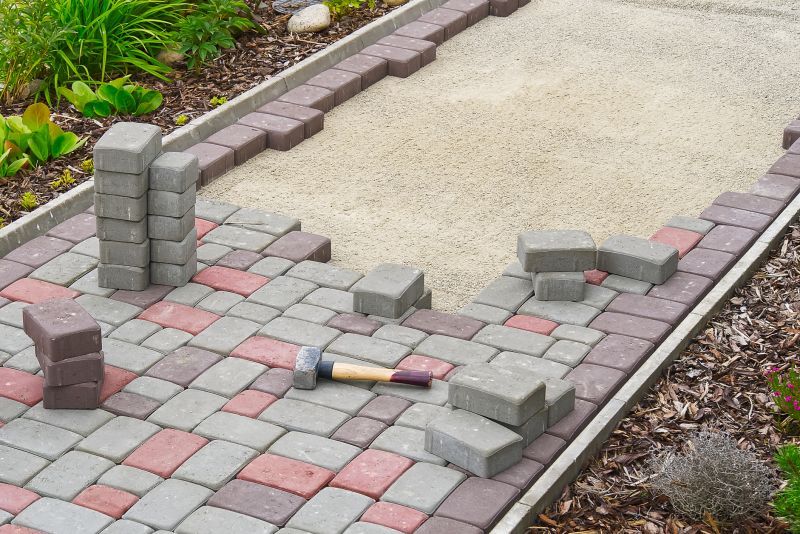
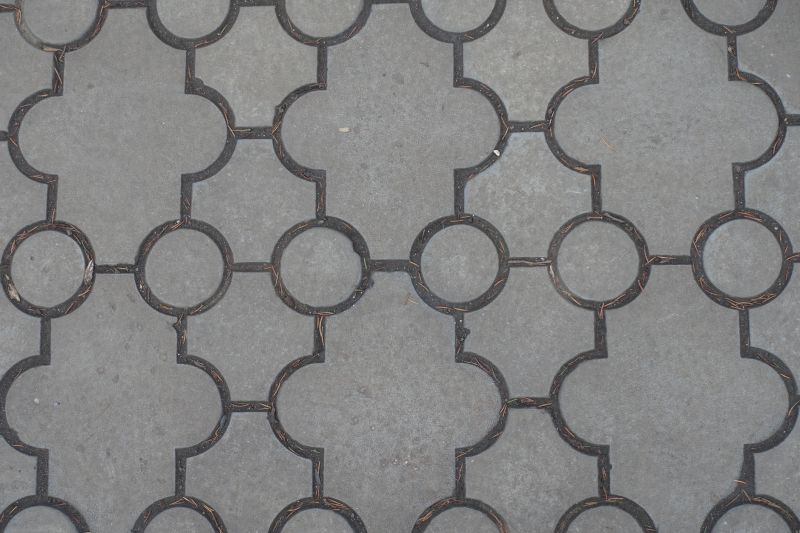
When considering options for commercial property surfaces, property owners often compare interlocking pavers vs. poured concrete to determine which best suits their needs. Interlocking pavers are known for their durability and ease of repair, making them a practical choice for high-traffic areas like walkways, patios, and parking lots. Property owners might look into installation services from local contractors to enhance the aesthetic appeal and functionality of their outdoor spaces, especially when they want a surface that can withstand daily use and minor shifting without cracking.
On the other hand, poured concrete offers a smooth, seamless surface that can be poured quickly and shaped into various forms, making it a popular choice for large, flat areas such as driveways and loading zones. However, concrete can be more susceptible to cracking over time, especially in regions with temperature fluctuations. Property owners seeking a long-lasting, low-maintenance solution might explore the option of hiring local service providers who specialize in interlocking pavers installation, as these professionals can help determine if pavers are a suitable alternative to poured concrete for their specific project needs and aesthetic preferences.
What are the main differences between interlocking pavers and poured concrete for commercial properties? Interlocking pavers consist of individual units that can be replaced easily, offering flexibility and design options, while poured concrete provides a seamless surface that is durable and low maintenance. Local contractors can help determine which option best suits specific project needs.
How do interlocking pavers and poured concrete compare in terms of durability for commercial use? Interlocking pavers are known for their ability to withstand heavy loads and shifting without cracking, whereas poured concrete can develop cracks over time under stress. Local service providers can advise on the most durable choice based on the property's conditions.
Are interlocking pavers or poured concrete easier to install for commercial properties? Installation of interlocking pavers typically involves precise placement and compaction, which can be more labor-intensive, while poured concrete is poured and smoothed, often allowing for quicker installation. Local contractors can assess site-specific factors to recommend the best approach.
Which material offers better maintenance options for commercial property surfaces? Interlocking pavers are easier to maintain because individual units can be replaced if damaged, and they resist staining better, whereas poured concrete may require repairs for cracks and surface issues. Local pros can provide maintenance guidance tailored to each material.
Can interlocking pavers or poured concrete be customized for commercial property aesthetics? Yes, interlocking pavers offer a variety of colors, shapes, and patterns for design flexibility, while poured concrete can be stamped or stained for different appearances. Local installation service providers can help achieve desired aesthetic effects with either material.
Durability considerations - Property owners can evaluate the long-term wear and tear of interlocking pavers versus poured concrete to determine which material best withstands foot and vehicle traffic. Local contractors can advise on suitable options based on the property's usage.
Design flexibility - Choosing interlocking pavers allows for creative patterns and easy customization, making them ideal for aesthetic projects on commercial sites. Local service providers can help plan and install visually appealing layouts.
Maintenance needs - Property managers can consider the upkeep requirements of each surface type, with interlocking pavers offering easier repair and replacement options. Local pros can assist in maintaining the appearance and integrity over time.
Installation challenges - Business owners can assess site conditions to determine whether interlocking pavers installation from local contractors is practical or if poured concrete offers a more straightforward solution for their specific project.
If you are thinking about interlocking pavers vs. poured concrete for commercial properties for a property, this guide is meant to help you understand this topic, the typical project types, and how different options might fit your plans.
When you are ready, you can use the quote form on this page to share a few details about your project. From there, local pros can review the basics and follow up with options that match what you have in mind.